


Differentials are essential components in our vehicles, enabling each wheel to spin at its own speed, especially when navigating rough terrain or making a turn. As a vehicle turns, the outer wheels travel a greater distance than the inner wheels, much like runners in the outer lanes of a track cover more ground than those on the inside. To account for this, the differential controls the difference in distance and rotation, ensuring smooth handling and optimal traction while also reducing uneven tire wear. In this article, we’re going over what differential fluid is and when to replace it in your Subaru.
What is Differential Fluid?
Differentials are essential components in our vehicles, enabling each wheel to spin at its own speed, especially when navigating rough terrain or making a turn. As a vehicle turns, the outer wheels travel a greater distance than the inner wheels, much like runners in the outer lanes of a track cover more ground than those on the inside. To account for this, the differential manages the difference in distance and rotation, ensuring smooth handling and optimal traction, which reduces uneven tire wear.
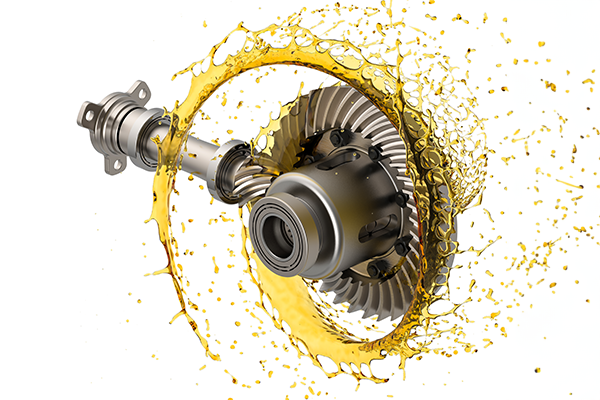
Differentials use a complex set of gears to accomplish this, requiring lubrication to keep the gears rotating smoothly, similar to the oil that does the same for our engines.
Differential fluid controls heat by reducing friction between the gears inside the differential. Without this vital lubrication, metal components would generate excessive friction, leading to dangerously high temperatures and possible differential failure.
Why Do I Need to Change Differential Fluid?
As your vehicle operates, differential fluid gradually becomes contaminated and breaks down due to the high temperatures inside the differential. This degradation reduces the fluid’s ability to properly lubricate the gears, which leads to increased friction and even more heat. This is commonly known as thermal runaway. In these harsh conditions, damaged fluid can lose its viscosity, offering less protection to the differential components.
By replacing old differential fluid with fresh fluid, you help safeguard the internal components against damaging friction, overheating, and wear caused by contaminants and degraded lubrication.
Symptoms of Bad Differential Fluid
- Chattering or vibrations felt in the vehicle.
- Smell of burning oil
- Grinding, whining, or whirring sounds
- Uneven and rapid tire wear
How Often Should I Change My Differential Fluid?
The lifespan of differential fluid depends on your vehicle’s specific setup and how you use it. Towing, for example, puts extra stress on the axles and differential components, so vehicles used for heavy towing will need fluid changes more frequently. If your vehicle has been submerged in water—deep enough that the differential case goes under—change the fluid immediately to prevent water from mixing with the fluid and forming sludge that can damage internal parts.
Generally, differential fluid lasts longer than most other vehicle fluids, such as engine oil or coolant. We recommend changing the fluid every 30,000 to 60,000 miles. However, if you notice any symptoms like unusual noises or vibrations, have your differential inspected right away. For vehicles that regularly tow, especially in hot conditions, plan on changing the fluid closer to the 30,000-mile mark.
Differential Service in Boulder, Colorado
If you’re experiencing issues with your Subaru differential, trust the team at Super Repair. Our expert technicians have extensive training in diagnosing and repairing issues within the drivetrain, giving you peace of mind and maintaining the health of many components around them. Call us or schedule an appointment online with Colorado’s Subaru experts today!